
How To Measure Hat Size For Crochet
How To Measure Hat Size For Crochet - Web taking crochet hat measurements. How do you take these measurements? Hats are a staple in the crochet world, but they can be a bit tricky to size just right. Web select the measurement type (either inches or centimeters), enter the measurement of the head circumference, click on the calculate hat size button. What size should i make a crochet hat? Crochet hat sizes are often taken by around the person's head. It’s very straightforward if you’re crocheting your hat from the bottom up. This allows for the hat to fit on someone’s head without it falling off. For a good fit, you need to know how to measure crochet hats correctly. Web 6.00 mm crochet hook used for brim of hat; How do you take these measurements? Your best bet is to get actual measurements of the person who'll be wearing the hat, but there are approximate standard measurements in a chart, below, that can help! Web this crochet hat size guide will help you choose the correct size of crochet hat for you or your loved one. If you are unable to measure the baby's head, you can use a. Using a crochet hat sizing chart. Crown width = (this is a flat circular top of the hat) you need to divide hat circumference by 3.14 (pi). Web place the measuring tape (or string) in the middle of the forehead and guiding it just above the ears, measure around the head. Hats are a staple in the crochet world, but they can be a bit tricky to size just right. Most beanies start of with a flat circle. Web ensuring a proper fit starts with accurate head measurements. Make it in no time using 4 medium yarn. Web *2sc in next st. For the most accurate measurement, the tape should run slightly above your ears and just below the small knot at the back of your skull. I encourage you to read the whole article (about 10 mins) so you can understand where these figures came from and. Web newborn head size. Additionally, if you have a specific style of hat in mind, such as a slouchy beanie or a newsboy cap, you may need to adjust the length accordingly. Use a flexible measuring tape: Web taking crochet hat measurements. Measure around the broadest part of the head. Web hat circumference = measure around the head just above ears and subtract one inch for a nicely fitted finished hat. Web discover the perfect hat size for your crochet projects. The ultimate guide to sizing hats is my free printable that gives you all the measurements you need to crochet hat sizes for anyone. Wrap the tape measure around. Resource pack, but i’ll talk more about that later. Make it in no time using 4 medium yarn. In my experience, getting the hat to fit properly without a model is not always easy. Make a swatch that measure at least 10 x 10 cm / 4 x 4 inches using the stitch the gauge is given for. Web *2sc. Web to get the head measurements, use a sewing tape measure and measure the various areas of the person’s head for the pattern. Web *2sc in next st. How do you take these measurements? Web select the measurement type (either inches or centimeters), enter the measurement of the head circumference, click on the calculate hat size button. Web you need. Importance of accurate head measurements. Web to find the right length for your hat, measure the circumference of your head and subtract an inch or two. Web *2sc in next st. Head circumference and hat length. Here are some tips on how to measure the head surface of a hat: Age/size, crown measurement, brim measurement, and height measurement. These measurements include head circumference, hat circumference, and crown height. Wrap the tape measure around your forehead, about an inch above your eyebrows. This will give you the length that your hat should be. Move st marker to last st. Wrap the tape measure around your forehead, about an inch above your eyebrows. Web taking crochet hat measurements. In general, the crochet hat circumference is about 1 inch smaller than the head circumference. Make it in no time using 4 medium yarn. Go up in crochet hook size if your stitches are smaller & go down in. Measure the circumference of the head. Your project should measure 7 ½” across at the widest point. Web what you’ll need: Wrap the tape measure around your forehead, about an inch above your eyebrows. In my experience, getting the hat to fit properly without a model is not always easy. Plus you need to know the actual hat measurements for these standard sizes. And there you have it! Head circumference and hat length. Most beanies start of with a flat circle. Tape measure and sizing guide. Here are some tips on how to measure the head surface of a hat: For the most accurate measurement, the tape should run slightly above your ears and just below the small knot at the back of your skull. 6.50 mm crochet hook used for main part of hat ; To get the most accurate fit, measure the wearer’s head before starting your project. Head circumference and hat length. Your best bet is to get actual measurements of the person who'll be wearing the hat, but there are approximate standard measurements in a chart, below, that can help! Chart for correct sizing, including magic circle sizes. Most beanies start of with a flat circle. Web table of contents. Web what you’ll need: It’s very straightforward if you’re crocheting your hat from the bottom up. Crown width = (this is a flat circular top of the hat) you need to divide hat circumference by 3.14 (pi). Web 6.00 mm crochet hook used for brim of hat; If the gauge is wrong, you might need to change your hook. The size of the circle depends upon the circumference of the head. Calculating stitches for exact hat sizes.
Basic hat crochet pattern in all sizes Artofit

How to Crochet Basic Hat in Any Size free pattern & tutorial
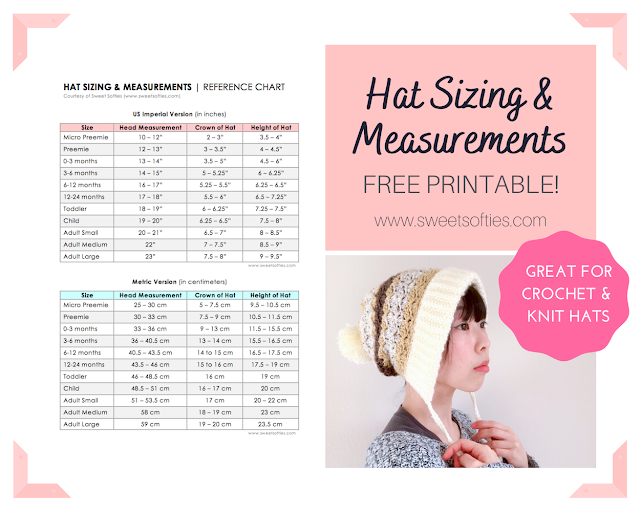
Hat Sizing & Measurements Reference Chart (Free Printable & Crochet Hat
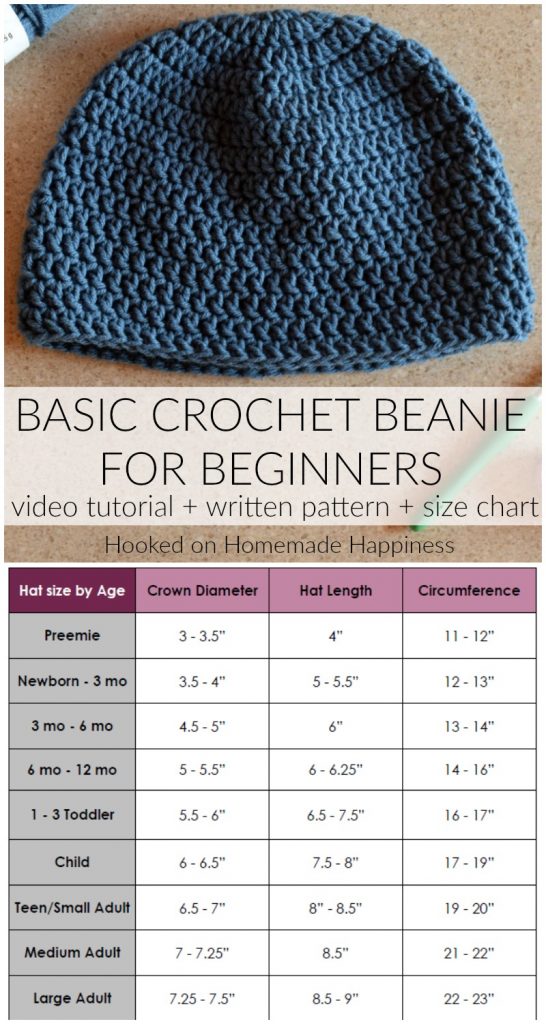
Crochet Beanie Measurements Amelia's Crochet
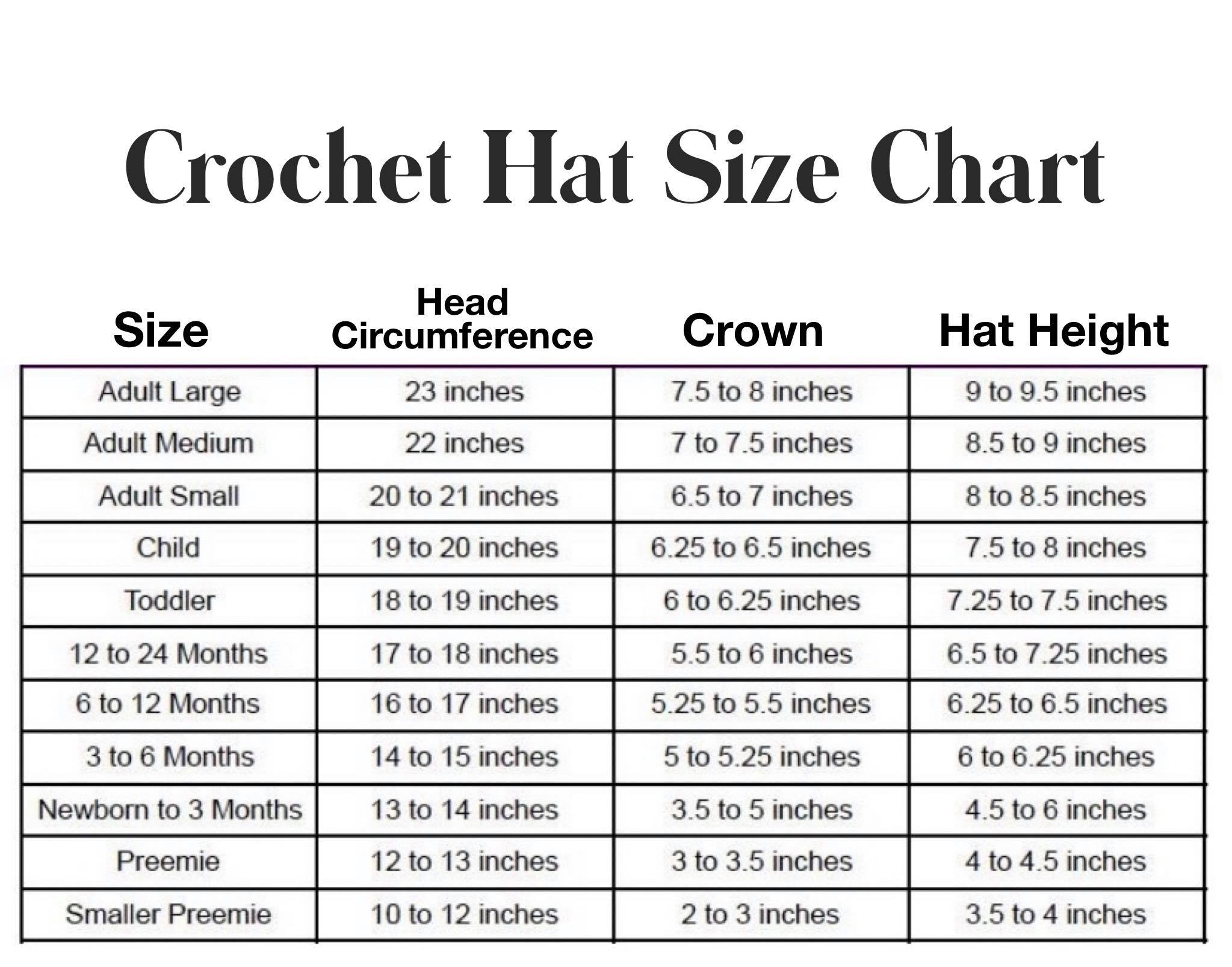
hat size chart DIY From Home Crochet

How to Crochet Hat in Any Size free pattern & tutorial
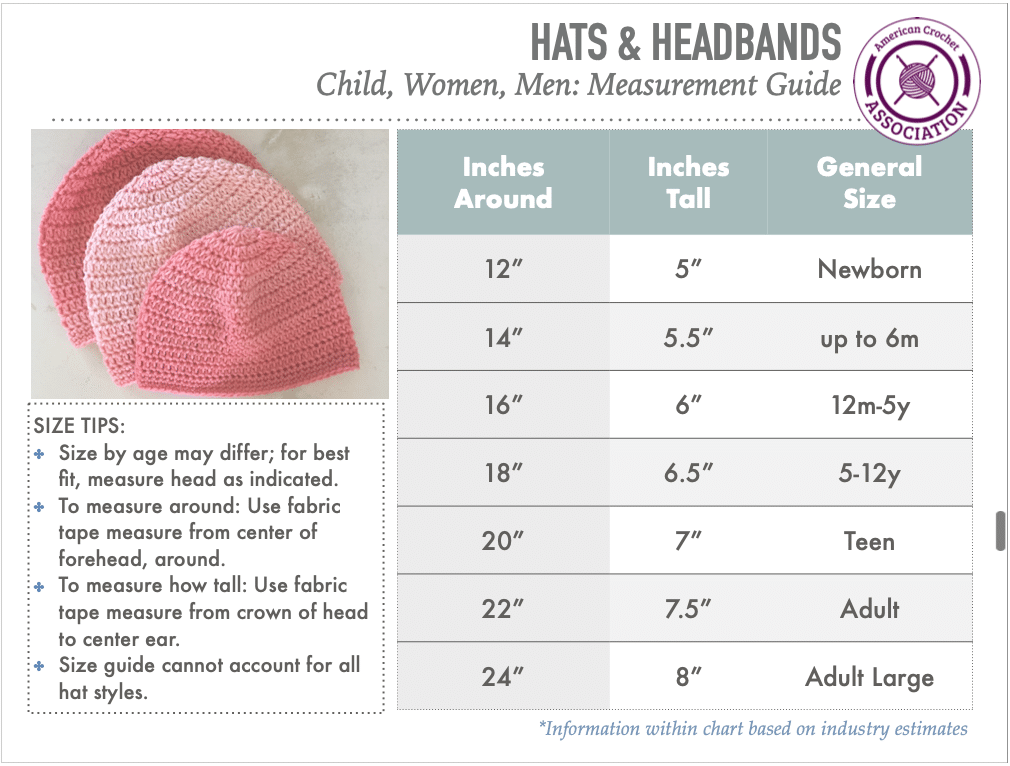
What Size Hat To Make Easy Guide For Crochet Reach Your Crochet Goals!

Crochet Hat Size Chart by Age CrochetNCrafts

Crochet Hat Dimensions Ava Crochet
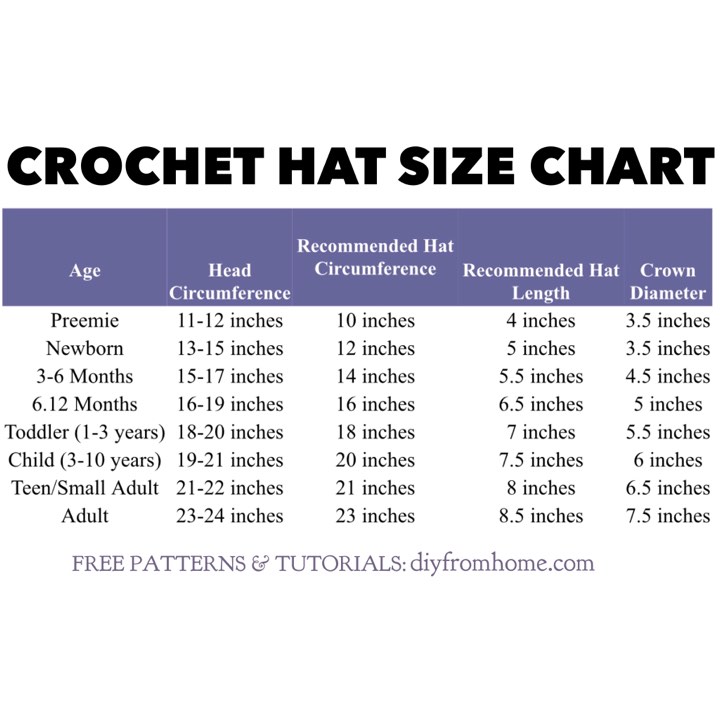
crochet hat size chart DIY From Home
Crochet Hat Size Chart And Calculator.
Make It In No Time Using 4 Medium Yarn.
Opt For A Soft, Flexible Tape Measure (Like The Ones Used In Sewing) Instead Of A Rigid One.
Web Most Hat Size Charts Include Several Columns:
Related Post: